
Understanding WingChun: A Dynamic Martial Arts Game
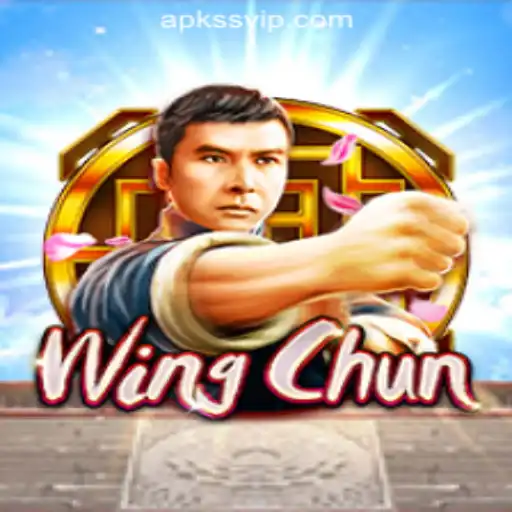
In an era where gaming has taken center stage in entertainment, "WingChun" emerges as an innovative entry, blending traditional martial arts with modern gaming dynamics. The game is captivating the Brazilian gaming community, driven by the rising enthusiasm towards interactive and culturally rich content. With its distinct gameplay and strategic depth, WingChun has become a symbol of cultural integration, linking ancient Chinese martial arts with the vibrant Brazilian digital world.
The Appeal of WingChun in Brazil
Brazil has seen a significant surge in online gaming adoption, with platforms like SSvip.com Oficial Slots Brasil #1 influencing gaming preferences and trends. This burgeoning scene has made it apt for games like WingChun to find a devoted audience, eager for new challenges and immersive experiences. What makes WingChun particularly alluring is its ability to blend storytelling, skill mastery, and competitive play, elements that are highly valued among Brazilian gamers.
Game Description and Features
Set in a world reminiscent of ancient China, WingChun draws players into a narrative rich in history and philosophy. The game offers players the role of martial arts practitioners, embarking on a journey to master the esteemed art of Wing Chun. Central to the gameplay are elements of authenticity and realism, capturing the essence of traditional martial arts techniques through motion capture and sound design.
The game provides a diverse range of modes, including solo practice, competitive tournaments, and cooperative missions. Each mode is designed to cater to various player preferences, ensuring everyone from casual players to professional eSports athletes find value and engagement. The competitive framework of WingChun, bolstered by leaderboards and ranked matches, stimulates the thriving eSports culture in Brazil.
Game Mechanics and Rules
The mechanics of WingChun focus heavily on timing, precision, and strategic planning. Players must utilize combinations of strikes, blocks, and counters, reflecting real Wing Chun principles. The game employs a dynamic system where players develop their skills through practice and experience, crucial for advancing through higher levels of competition.
Rules within WingChun are crafted to maintain balance and fairness. Each match is a test of skill rather than character strength, allowing players to compete on equal footing regardless of in-game purchases. This approach aligns with the ethical trends in gaming, emphasizing player skill as the core determinant of success.
Current Events and Cultural Impact
The launch of WingChun coincides with several key trends in the gaming industry, particularly the integration of cultural heritage into gaming. As Brazil continues to embrace diverse forms of digital entertainment, WingChun exemplifies the potential of games to serve as cultural bridges. The game not only entertains but also educates players about the philosophical and technical nuances of Wing Chun, fostering appreciation and understanding.
Moreover, WingChun's rise to prominence parallels the growing emphasis on mindfulness and personal development, themes inherent in martial arts training. As players engage with WingChun, they are introduced to concepts like discipline, focus, and mutual respect, transcending the traditional boundaries of gaming and leading towards holistic enrichment.
The Future of WingChun in Brazilian Gaming
The outlook for WingChun in Brazil is promising, bolstered by a passionate gaming community and a supportive digital environment. Events and tournaments hosted across various cities are expected to boost local engagement, fostering a sense of community among players. The game's compatibility with virtual reality (VR) platforms is anticipated to further enhance its appeal, offering more immersive and interactive experiences.
As the Brazilian gaming landscape continues to evolve, WingChun stands poised to influence new directions in game development and cultural storytelling. Its success is a testament to the dynamic nature of the gaming industry, reflecting a future where games are not just sources of entertainment, but also powerful catalysts for cultural exchange and personal growth.